Health & Safety Policy — Flat Clearance Archway
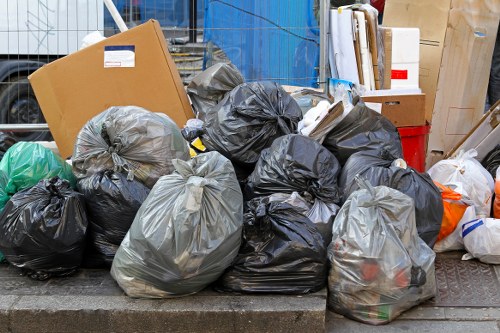
This Health and Safety Policy sets out the commitment of Flat Clearance Archway to maintain a safe working environment during all flat clearance, rubbish removal and waste clearance activities in our service area. The policy applies to all employees, contractors and anyone working on behalf of the company. Its purpose is to ensure that risks associated with flat waste removal, bulky rubbish collection and general waste removal services are assessed, controlled and monitored so that harm to people, property and the environment is minimised.
Scope and Operational Coverage
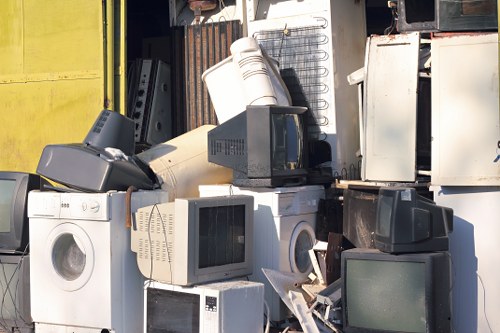
The policy covers every phase of our operations: initial job assessment, removal of household items, proper handling of hazardous materials, transport, interim storage and final disposal. As a rubbish company operating within a defined service area, we adopt standardised procedures for safe lifting, segregation of recyclable materials and secure containment of hazardous items. Flat clearance projects, stairway manoeuvres and vehicle loading are routinely risk-assessed. All operational staff are expected to follow documented procedures and report any unsafe condition immediately.
Responsibilities and Accountability
Management has the primary duty to provide leadership and resources to implement this policy. Line managers must ensure that risk assessments are carried out, safety equipment is provided and that safe systems of work are enforced. Employees and subcontractors are required to cooperate with safety measures, attend necessary training, and wear appropriate personal protective equipment. This includes gloves, high-visibility clothing and protective footwear for rubbish collection and manual handling tasks. Everyone must understand their role in preventing incidents during waste clearance and rubbish removal projects.

Risk Assessment and Hazard Control
Before any flat clearance, a documented risk assessment will identify potential hazards such as sharps, asbestos-containing materials, heavy lifting, slips, trips and falls, vehicle movements and hazardous liquids. Controls will be implemented using the hierarchy of control: elimination, substitution, engineering controls, safe systems of work and personal protective equipment. The company will apply safe waste segregation practices to reduce contamination risks and ensure compliance with disposal regulations. Regular site inspections will verify that controls remain effective and are updated when conditions change.

Safe Work Procedures and Equipment
Standard operating procedures provide clear instructions for tasks such as dismantling furniture, safely moving bulky items, operating tail lifts and securing loads in transit. Mechanical aids and appropriate lifting equipment are used where practicable to reduce manual handling injuries. All vehicles and tools used in rubbish clearance are subject to scheduled maintenance and safety checks. Staff will be trained in vehicle safety protocols and load restraint methods to prevent on-route hazards associated with waste transport.
Training, Competence and Supervision
Training is tailored to job roles and includes induction, manual handling, hazardous materials awareness, on-the-job supervision and periodic refresher sessions. Competence assessments help confirm that team members can carry out duties safely. Supervisors are responsible for ensuring that staff follow procedures and that new personnel receive close supervision until competent. Records of training, risk assessments, maintenance and incident reports are maintained as part of the company’s safety management system.

Emergency Response, Incident Reporting and Review
In the event of an incident, injury or near-miss during a clearance or rubbish collection, employees must follow emergency procedures and report the event immediately to their supervisor. First-aid provisions, emergency contact protocols and arrangements for prompt medical assistance are in place. All incidents are investigated to identify root causes and corrective actions. The policy, risk assessments and procedures are reviewed at regular intervals and after any significant incident to ensure continuous improvement and compliance with legal requirements.
Environmental Controls and Waste Management
Flat Clearance Archway commits to responsible waste management practices that minimise environmental impact. This includes segregation for recycling, proper containment of hazardous substances and selecting authorised disposal routes for all categories of waste. Wherever possible, reusable items are diverted from landfill. Environmental controls are part of routine job planning and are monitored through record-keeping and periodic audits to ensure adherence to regulatory expectations and our internal standards.
Compliance, Monitoring and Continuous Improvement
Compliance with statutory health and safety obligations is mandatory. The company will monitor performance through inspections, audits and review of incident trends. Performance metrics inform corrective actions and training priorities. Senior management will periodically review this policy to ensure it remains suitable and effective, and to promote a culture of safety across all rubbish removal, waste clearance and flat clearance activities.
Policy Adoption: This Health & Safety Policy is endorsed by company leadership and promulgated to all staff and contractors. It is a living document that supports safe, responsible and professional clearance services across our service area, ensuring the protection of people, property and the environment while delivering high standards of rubbish removal and waste handling.