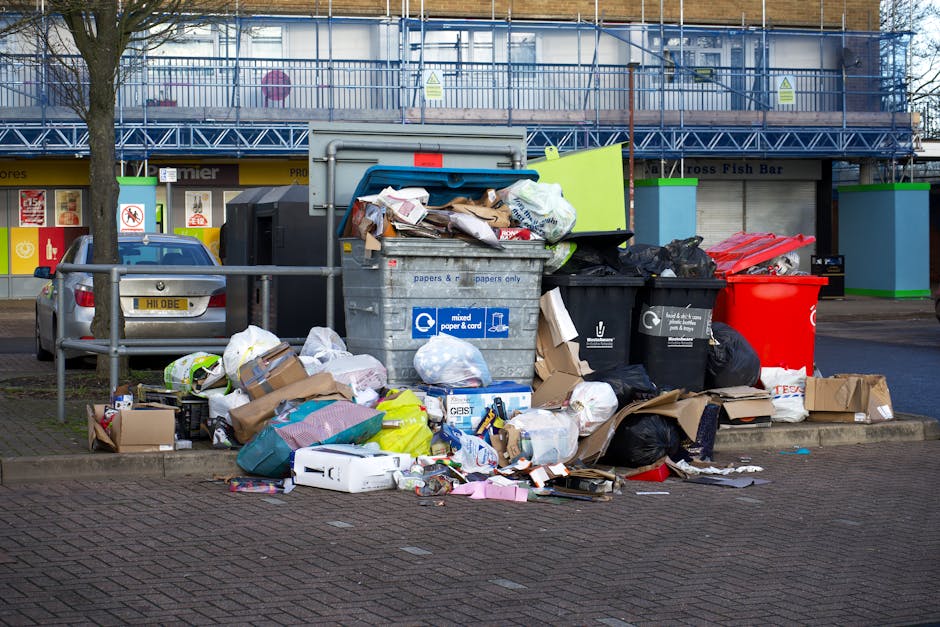
Junction Road rubbish removal guide for Archway residents
If you live near Junction Road in Archway, rubbish tends to build up in the same annoying ways: a broken wardrobe by the hall door, a few bags from a clear-out that never quite made it to the bin store, or builder's debris that appeared faster than you expected. This Junction Road rubbish removal guide for Archway residents is here to make the whole thing feel manageable. It explains what rubbish removal usually involves, how to prepare, what to avoid, and how to choose a method that suits a flat, maisonette, house, or business premises in the area. No drama, no fluff - just practical guidance you can actually use.
Whether you need a full property clear-out or just want a few bulky items gone before the weekend, the key is to match the job to the waste type. That sounds simple enough, but in real life it gets messy quickly. Wet weather, narrow stairwells, parking pressure, and awkward items all change the picture. Let's unpack it properly.
Table of Contents
- Why Junction Road rubbish removal matters
- How rubbish removal works
- Key benefits and practical advantages
- Who this is for and when it makes sense
- Step-by-step guidance
- Expert tips for better results
- Common mistakes to avoid
- Tools, resources and recommendations
- Law, compliance, standards, and best practice
- Options, methods, and comparison table
- Case study or real-world example
- Practical checklist
- Conclusion
- Frequently asked questions
Why Junction Road rubbish removal matters
Junction Road sits in a busy part of Archway, and that brings a few everyday realities with it. Spaces are often tighter, traffic can be awkward at peak times, and many homes are in converted buildings or flats where stair access is not exactly generous. If you are dealing with rubbish in that setting, leaving it "for later" can quickly turn into a nuisance for you and your neighbours.
Good rubbish removal matters because it does more than just tidy up a room. It reduces trip hazards, keeps communal areas clear, and helps prevent that lingering clutter that starts to feel oddly heavy after a while. Truth be told, clutter can change the feel of a home. One side of the room starts looking lived-in; the other side just looks stuck.
It also matters from a practical point of view. Some waste types need special handling, and mixed loads are easier to deal with when you sort them early. If you are clearing a flat after a move, dealing with old furniture, or tidying a garden or garage, knowing what you have saves time and money later. For larger clear-outs, it can be useful to compare a broader waste removal service with options such as home clearance or flat clearance, depending on the scale of the job.
And there is another thing: London waste disposal can be less forgiving than people expect. A small pile today can become an access issue tomorrow. If you have ever tried to manoeuvre a mattress down stairs while the bins are already full and the hallway is narrow, you will know exactly what I mean.
Expert summary: The best rubbish removal jobs in Archway are the ones planned around access, item type, and timing. If you sort those three things first, everything gets easier.
How Junction Road rubbish removal guide for Archway residents works
In simple terms, rubbish removal is the process of collecting unwanted items, loading them safely, and taking them away for appropriate disposal, reuse, or recycling. For Junction Road residents, that usually means choosing one of three approaches: do it yourself, arrange a council-style solution if available for the waste type, or use a professional clearance service for speed and convenience.
A typical professional rubbish removal visit starts with a description of the items. Then comes an estimate based on volume, weight, access, and whether the load includes anything specialist like appliances, mattresses, or potentially hazardous material. On the day, the team arrives, confirms the load, and removes the waste. Simple enough, but the details matter. A pile of mixed rubbish can contain items that need separate handling, and that changes the workflow.
If your waste is mainly domestic clutter, furniture, or general household items, services such as furniture disposal or furniture clearance may be more appropriate than a general waste move. If the problem is a more complete reset of the home, you might be better served by a broader house clearance or home clearance.
For trade waste or post-refurbishment debris, different rules and handling expectations apply. In that case, check the fit between the load and options like builders waste clearance or business waste removal. That distinction matters. A sack of old clothes is not the same thing as plasterboard and broken tile. Obvious, yes, but people mix them more often than you might think.
There is also the access question. In a Junction Road flat, a service that works quickly and carefully in stairwells can save a lot of stress. That is especially true when bulky items are involved. A bulky item that looks manageable in a room can suddenly become very awkward halfway down the stairs. Funny how that happens.
Key benefits and practical advantages
Rubbish removal is not just about making space. It has a few practical upsides that are easy to miss when you are staring at a pile of stuff and feeling slightly fed up.
- Faster turnaround: A coordinated removal visit can clear an area in one go instead of dragging the job out over several weekends.
- Less lifting and strain: Heavy furniture, broken appliances, and boxed clutter are awkward and potentially risky to move alone.
- Better use of space: Clearing one room often makes the whole flat feel larger and calmer.
- Cleaner disposal route: Professional handling is often better when items need sorting for reuse, recycling, or specialist disposal.
- More predictable planning: You know what is going, when it is going, and roughly how the job will unfold.
There is also a mental benefit that people underestimate. Once the unwanted items are gone, you stop "working around" them. You walk into the room and see the room again. That reset can be surprisingly motivating, especially if you are preparing to move, redecorate, or rent out a property.
For more specific waste streams, it can help to use dedicated pages that match the load. For example, a fridge that has stopped working belongs in fridge and appliance removal, while a lumpy old mattress may be more sensibly handled through mattress and sofa disposal. Using the right route is often the difference between a smooth job and a faff.
Who this is for and when it makes sense
This guide is useful for a fairly wide range of Archway residents and local property owners. If you live on or near Junction Road, chances are you will recognise at least one of these situations.
- Flat residents: Ideal if you have bulky items, stair access issues, or a small amount of mixed household waste.
- Families: Useful during a clear-out, bereavement, or move when rooms fill up with items that need sorting quickly.
- Landlords and letting agents: Handy between tenancies when a property needs to be made presentable again.
- Homeowners: Good for lofts, garages, sheds, and general household decluttering.
- Small businesses: Suitable for office furniture, old files, stockroom waste, or light commercial clearances.
It also makes sense when timing matters. Maybe you need the property cleared before decorators arrive, or you have a buyer due to view the place next week. In those moments, waiting around for the "perfect" weekend often just delays everything. Better to get on with it.
If the job is about a specific area rather than the whole property, there may be a better fit. A packed attic points you toward loft clearance. A cluttered garage suggests garage clearance. Outside spaces call for garden clearance. Matching the service to the space keeps costs and effort under control.
Step-by-step guidance
If you want the process to run smoothly, this is the part to follow carefully. It does not need to be complicated. In fact, the simpler your plan, the better.
- Identify the waste type. Separate furniture, appliances, general rubbish, garden waste, and anything potentially hazardous. A quick sort now avoids confusion later.
- Estimate the volume. Think in terms of how many rooms, bags, or bulky items you actually have. A small pile can be deceptive in a hallway.
- Check access. Note stairs, lifts, parking restrictions, and whether the item will need dismantling. Junction Road properties can vary a lot in this respect.
- Remove anything you want to keep. This sounds obvious, but it is the most common last-minute panic point.
- Book the right service. Use the service that matches the material. For mixed household waste, general waste removal may be fine; for more structured jobs, choose a specific clearance page.
- Prepare the route. Clear hallways, open gates if needed, and make sure items are reachable. The crew can move faster when they are not weaving around shoes, prams, or boxes.
- Confirm what happens to the waste. Ask how reusable items, recyclables, and non-recyclables are handled.
A small but useful tip: take a few photos before the collection if the job is complex. It helps you keep track of the load and reduces the chance of something being overlooked. Not glamorous, but very useful.
If you are not sure whether something is allowed in a mixed load, check the guidance on what can go in a skip. It is not the same thing as a clearance service, of course, but it gives you a clear sense of what usually needs separate handling.
Expert tips for better results
The best rubbish removal jobs are rarely the ones with the fanciest plan. They are the ones with a few smart decisions made early.
Tip 1: Sort by category before the team arrives. Put furniture together, keep soft items separate, and group any electricals in one place. That makes loading quicker and avoids mistakes.
Tip 2: Be realistic about heavy items. A wardrobe, a sofa, and an old fridge do not behave the same way. They are awkward in different ways. If an item is too large to fit through a tight landing without damage, say so in advance.
Tip 3: Don't wait until the passageway is blocked. If you live in a shared building, timing matters. Early action usually means less disruption to neighbours and fewer awkward hallway negotiations.
Tip 4: Keep an eye on mixed waste. A load with clean furniture, general junk, and a suspected hazardous item needs careful review. When in doubt, separate the questionable material and ask about it.
Tip 5: Think about end use. If an item can be reused or donated elsewhere, it may be better to keep it out of the disposal pile. That is not always possible, but it is worth asking yourself before you drag it downstairs.
And one more thing: measure doorways if you are dealing with large furniture. It sounds almost comically basic, but it saves a world of hassle. I have seen people get halfway through a clear-out before discovering the sofa is, shall we say, stubbornly attached to the room.
Common mistakes to avoid
Most problems with rubbish removal are avoidable. They come from rushed decisions, unclear sorting, or underestimating the size of the job.
- Mixing everything together: This can make handling slower and may create issues if any items need special treatment.
- Forgetting about access: Parking, lifts, stairwells, and entry codes all matter more than people expect.
- Leaving the hard items until last: Heavy or awkward items are best handled with a plan, not at the end of a tiring day.
- Assuming every service is the same: A general rubbish job, a clearance, and a specialist appliance removal are not interchangeable.
- Not checking exclusions: Hazardous or restricted waste needs careful handling and may require a separate route.
A smaller mistake, but a common one, is forgetting to tell the provider about the true condition of the items. A mattress with damp, a broken wardrobe with sharp edges, or a freezer that has been sitting unplugged for weeks can all affect how the team prepares. Better to mention it early than apologise later.
If you are dealing with personal documents as part of the clear-out, it is worth considering confidential shredding rather than tossing paperwork into the general pile. That is one of those little details that saves worry down the line.
Tools, resources and recommendations
You do not need a warehouse full of kit to get organised. A few simple tools usually do the trick.
- Sturdy gloves: Helpful for sharp edges, dusty lofts, and anything with splinters or broken surfaces.
- Marker labels or tape: Good for marking keep, remove, donate, and unsure items.
- Measuring tape: Useful for checking whether bulky items can fit through doorways or down stairs.
- Bin bags and boxes: Handy for small loose waste, mixed clutter, and paper sorting.
- Phone photos: Useful if you need to compare loads, get a quote, or show the scale of the job.
On the service side, it helps to understand the difference between clear-out types. Flat clearance is often the right fit for apartments or converted properties, while office clearance suits desk-based premises, workspaces, and file-heavy environments. For trade projects, builders waste clearance is usually the cleaner match.
Also consider how the company handles safety and reuse. Pages such as recycling and sustainability, insurance and safety, and health and safety policy can give you a better feel for how the operation is run. That matters more than people realise. A tidy-looking service is good, but a careful one is better.
Law, compliance, standards, and best practice
For rubbish removal in London, the main point is simple: waste should be handled responsibly and by a service that understands its duty of care. You do not need to become a waste law expert to make a sensible choice, but you should know the basics.
As a resident or business owner, you are generally wise to avoid handing waste to anyone who cannot explain how it will be transported, processed, or disposed of. That is especially true for items that may be regulated, such as fridges, certain electricals, or materials that could be classed as hazardous. If a provider cannot explain the process clearly, that is a red flag. Not a loud one, maybe, but still a red flag.
Best practice also means being careful with load descriptions. If you say "general rubbish" but the pile includes electricals, a damaged appliance, or something chemical-smelling in the corner of the shed, the job may need to be reassessed. That is normal. It is far better to be honest at the start than to create a sorting issue on the pavement.
For waste that could be dangerous, use a suitable specialist route such as hazardous waste disposal. And if you are unsure whether a particular item belongs with the main load, ask before collection. A quick question now can prevent a slow and awkward day later.
Reputable operators should also have clear policies around payment, security, complaints, and accessibility. Those pages may not seem exciting, but they are part of a trustworthy service. In practice, they show that the business has thought about how customers are treated, how issues are handled, and how work is carried out safely.
Options, methods, and comparison table
There is no single best method for every Archway rubbish removal job. The right choice depends on size, urgency, item type, and how much lifting you want to avoid. Here is a practical comparison.
| Method | Best for | Pros | Watch-outs |
|---|---|---|---|
| Self-removal | Very small loads, easy access, lighter items | Cheap if you already have transport; flexible timing | Time-consuming, heavy lifting, parking and tip logistics |
| Skip-style approach | Ongoing projects, mixed debris, longer jobs | Useful for staged clear-outs; works well for building waste | Space needed outside; you must sort what can go in a skip |
| Professional rubbish removal | Bulky items, flats, quick turnarounds, awkward access | Fast, less physical effort, usually simpler for residents | Price depends on volume, access, and item type |
| Specialist clearance | Furniture, lofts, garages, appliances, or offices | Tailored to the exact job; often more efficient | Needs clear item description and good planning |
If your waste is mostly one type, a specialist service often makes the most sense. For example, a room full of old sofas is not really a general rubbish job; it is closer to mattress and sofa disposal or furniture clearance. If it is a mixed household clear-out, a broader home clearance may be more efficient.
One quick note: if you are comparing methods mainly on price, make sure you compare like with like. The cheapest option is not always cheapest once you add your own time, transport, parking stress, or the risk of multiple trips. Everyone learns that one eventually.
Case study or real-world example
Here is a realistic example based on the kind of job that comes up often around Junction Road.
A resident in a first-floor flat had two broken bookshelves, a chest of drawers, some bagged clutter from a bedroom clear-out, and a fridge that had stopped working. The flat had a narrow staircase, limited hallway space, and a busy street outside, so moving everything out in one personal car load would have been clumsy at best.
The first step was sorting the load into categories: furniture, general household waste, and the appliance. The resident also measured the larger items and checked the route from flat to street. That small bit of preparation made the actual removal day much easier.
The shelves and drawers went into the furniture stream, the bagged clutter was handled as general waste, and the appliance was separated so it could be processed properly through a dedicated appliance route. The whole job took less time than expected, largely because the route had been cleared beforehand and there was no last-minute rummaging through the bags.
The key lesson? The more clearly you define the waste before collection, the smoother the job becomes. It sounds almost boring, but boring is good here. Boring means organised. Organised means less stress.
Practical checklist
Use this checklist before booking or starting your rubbish removal job in Archway:
- Have I identified exactly what needs removing?
- Have I separated furniture, appliances, general rubbish, and anything hazardous?
- Do I know whether the job is a full clearance or just a single-load removal?
- Have I checked access, parking, stairs, and lift availability?
- Have I removed items I want to keep?
- Have I measured any bulky furniture or appliances?
- Have I considered whether any items should go through a specialist service?
- Have I taken photos if the load is awkward or mixed?
- Have I confirmed how recycling or reuse is handled?
- Have I looked at service pages that match the job, such as pricing and quotes and book online?
If you can tick most of those off, you are already ahead of the average rushed clear-out. And honestly, that is half the battle.
Conclusion
Rubbish removal around Junction Road does not need to be complicated, but it does need a bit of forethought. When Archway residents match the service to the waste type, think through access, and prepare the load properly, the whole process becomes quicker, safer, and far less irritating. That is true whether you are clearing one bulky item or an entire flat.
The main takeaway is straightforward: sort the waste, choose the right route, and do not leave awkward items to chance. If you want to keep things simple, start with the service that best matches your situation, then build from there. A little planning goes a long way, and it often saves more stress than people expect.
Get a free quote today and see how much you can save.
And if you are standing in a room full of clutter right now, take a breath. It is fixable. One clear step at a time, the space comes back.
Frequently Asked Questions
What counts as rubbish removal for Archway residents?
Rubbish removal usually means collecting unwanted items, loading them safely, and taking them away for disposal, recycling, or reuse. It can cover bagged waste, furniture, appliances, and mixed household clutter.
Is rubbish removal different from flat clearance?
Yes. Rubbish removal is often a smaller, more general job, while flat clearance usually involves clearing a whole flat or a larger portion of it. If the property has multiple rooms or a full clear-out, flat clearance may be the better fit.
What should I do before booking a rubbish removal service?
Separate your items by type, check access routes, and remove anything you want to keep. A few photos can help too, especially if the load is mixed or bulky.
Can I include old furniture in a rubbish removal job?
Often yes, but furniture is sometimes better handled through a dedicated service such as furniture clearance or furniture disposal if that is the main item type.
What happens if I have a fridge or washing machine?
Appliances usually need careful handling, so a dedicated appliance route is sensible. For example, fridge and appliance removal is a better match for those items than a general clutter clear-out.
Are there items that need special disposal?
Yes. Hazardous or unusual waste should be treated separately. If you are unsure, ask in advance rather than putting it into the general pile. When needed, use hazardous waste disposal.
How do I know whether I need waste removal or a clearance service?
If you have a small, mixed load, general waste removal may work well. If you are clearing a room, a property, a loft, or a garage, a more specific clearance service is often easier and more efficient.
Can rubbish removal help with business premises on Junction Road?
Yes, especially for offices, stockrooms, or light commercial waste. In those cases, business waste removal or office clearance may be a better fit than domestic waste services.
How should I handle confidential paperwork during a clear-out?
Do not place sensitive documents in general rubbish. Use a separate secure route such as confidential shredding to reduce the risk of accidental disclosure.
What is the best option for a loft, garage, or garden clear-out?
Use a service that matches the space. Loft clearance, garage clearance, and garden clearance are usually more practical than trying to bundle everything into a general rubbish job.
How do I compare costs without getting confused?
Compare like with like: the same waste type, similar volume, and similar access conditions. A quote may look cheaper at first, but if it excludes the awkward items or assumes easy loading, it is not really a fair comparison. Check pricing and quotes for a clearer starting point.
Is there anything I should check about safety and trust?
Yes. Look for clear policies on insurance, safety, payment, and complaints. Those details are a good sign that the service is organised and accountable, not just quick on the day.
What if I am still not sure which service I need?
Start with the main item type and the size of the job. Then choose the closest match rather than forcing it into a generic category. If it is a full property clear-out, lean toward house or home clearance; if it is mainly one room or a few bulky items, a more focused service will usually be better.